How RoboHen Turns Workflows Into Production-Grade Reliable Systems
A structured approach to designing, implementing, and scaling workflows that behave predictably in real-world conditions, not just ideal scenarios.
Why Most Workflow Transformations Fail
Most workflow initiatives fail not because of tools, but because execution is inconsistent.
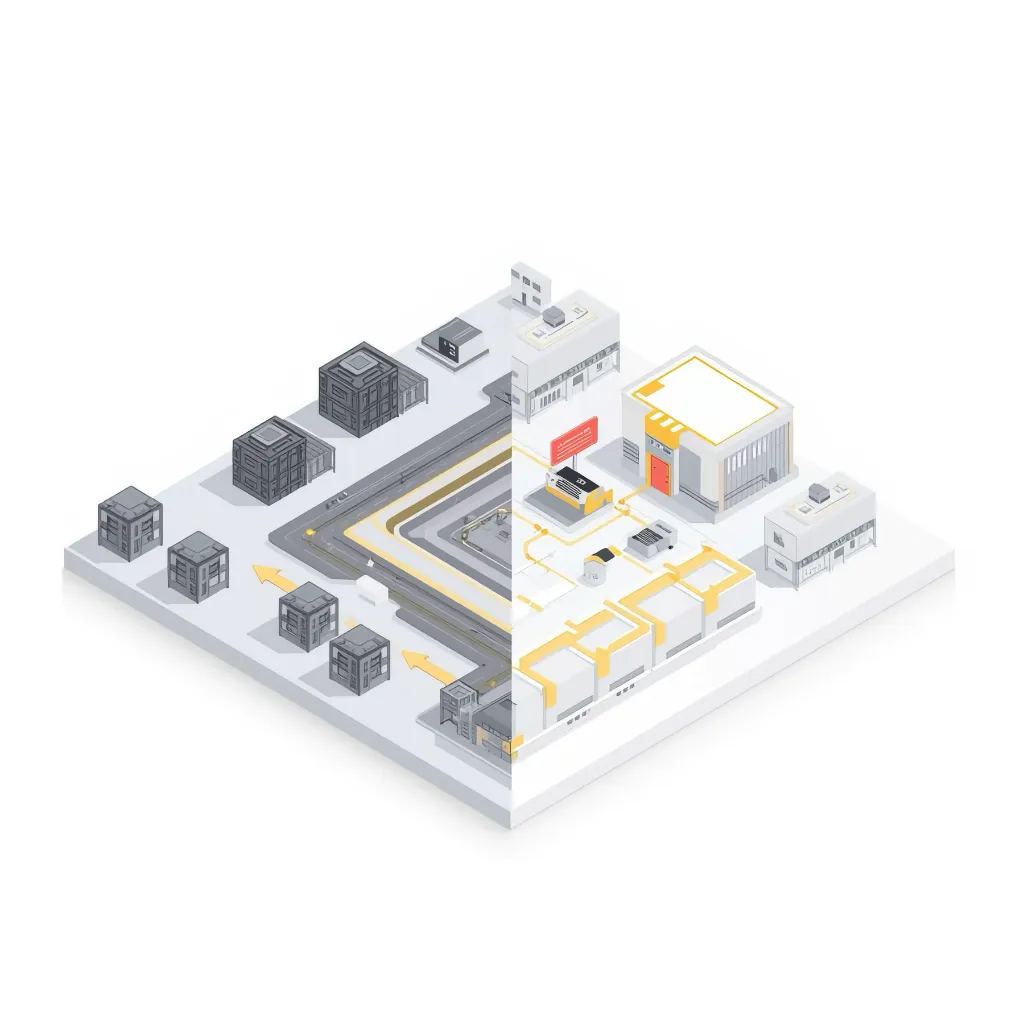
- workflows are unclear or undocumented
- teams execute the same process differently
- exceptions are not handled systematically
- automation is built without control
This is the same approach we use to deliver reliability in real client operations.
Across organizations,
the same workflow failure patterns repeat
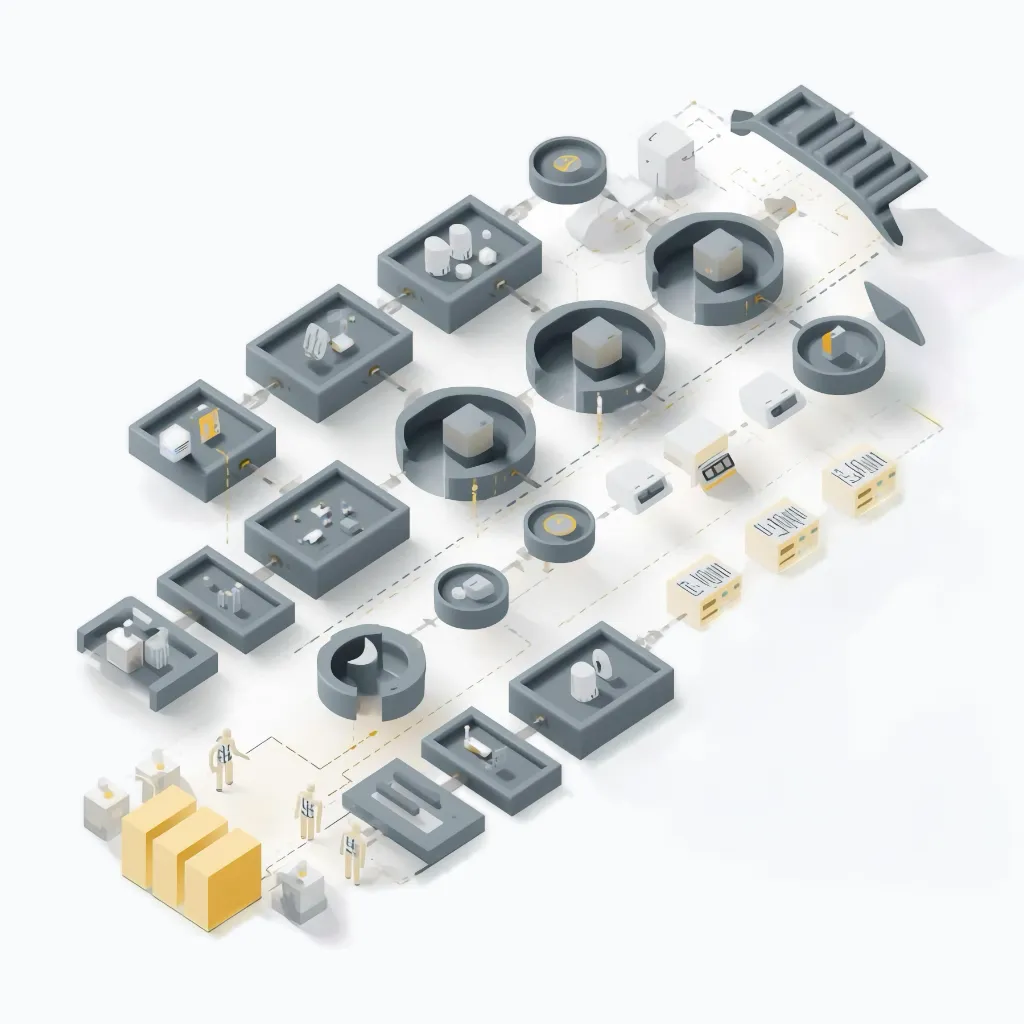
In most organizations:
- workflows live in people's heads
- execution varies across teams
- approvals happen in disconnected channels
- exceptions are handled manually
RoboHen is designed to fix this by standardizing execution and handling real-world edge cases.
How RoboHen
Delivers Reliable Workflows
Every reliable workflow follows a structured path. Skipping steps introduces risk. Rushing creates rework.
Reliability Audit
Diagnose Before You Automate
Understand how the workflow actually operates and where it breaks.
We
- map real workflow execution
- identify failure points and exceptions
- quantify operational impact
Output
- clear diagnosis
- prioritized improvement path
Define Reliable Workflow Logic
Turn unclear processes into structured, consistent execution logic.
Understand how the workflow actually operates and where it breaks.
We
- define rules, approvals, and exception handling
- standardize execution across teams
Key principle: If a workflow cannot be clearly defined, it cannot be reliably automated.
Implement the Reliability Layer
Build automation that works in real-world conditions.
We
- integrate systems and APIs
- handle mismatches and edge cases
- ensure consistent execution
Scale and Standardize
Expand reliability across workflows, teams, and systems.
We
- replicate proven patterns
- improve visibility and control
- scale without increasing complexity
Why RoboHen's Approach Is Different
Most approaches focus on
Tools, dashboards, and surface-level automation.
RoboHen focuses on
Execution reliability, workflow logic, and controlled automation.
Result
Workflows that run consistently, handle real-world cases, and scale without breaking.
Typical results
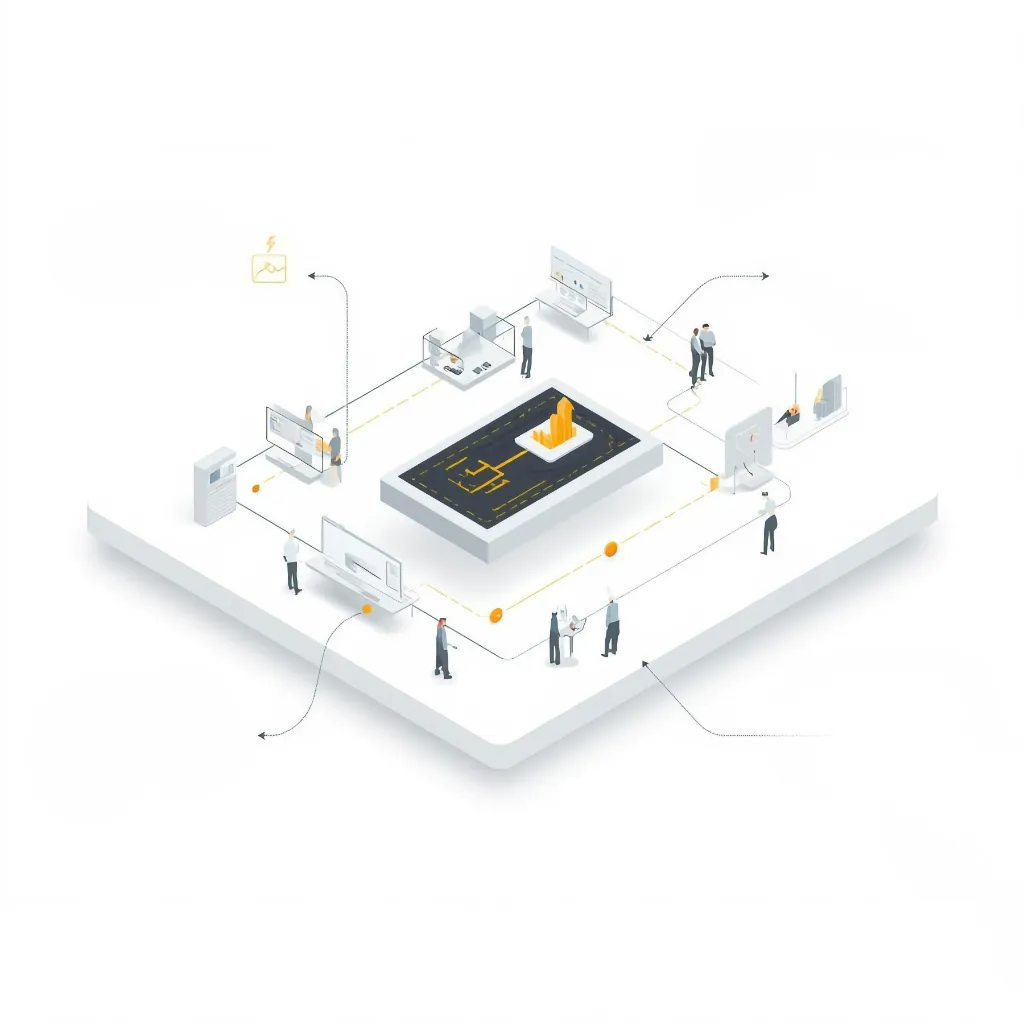
When this framework is applied correctly, organizations typically see:
- 20–40% reduction in manual workload
- 3–10x faster execution cycles
- significant reduction in errors and rework
- predictable execution across teams
- reporting reduced from hours to minutes
- improved compliance and audit readiness
Start With the Right Workflow
Choose how you want to begin.
Diagnose Your Workflow
Identify where reliability breaks and where to start.
Explore How We Implement This
See how RoboHen applies this approach in real operations.
Reliable operations are not built by moving faster, but by executing consistently.