Most Workflows Don't Break in the Middle. They Break at the Edges.
Approvals, exceptions, and cross-system mismatches are where operational risk lives. Reliability means handling these cases intentionally, not manually.
Where Reliability Becomes Critical
Reliability matters most when workflows involve risk, coordination, or accountability
Money movement and approvals
Security-sensitive access changes
Compliance and audit requirements
Executive and board reporting
Customer-facing SLAs
What "reliable" actually means
Reliable workflows don't depend on people remembering what to do next.
Predictable Execution
The same inputs produce the same outcomes. Workflow logic is explicit and consistent.
Governed Exceptions
Edge cases are expected and handled with defined rules, not improvisation.
Human Accountability
Approvals and decisions are structured, visible, and owned.
Auditability
A complete record exists of what happened, when, and why.
Why Most Automation
Fails in Real Operations
RoboHen powers the workflows designed during our services.
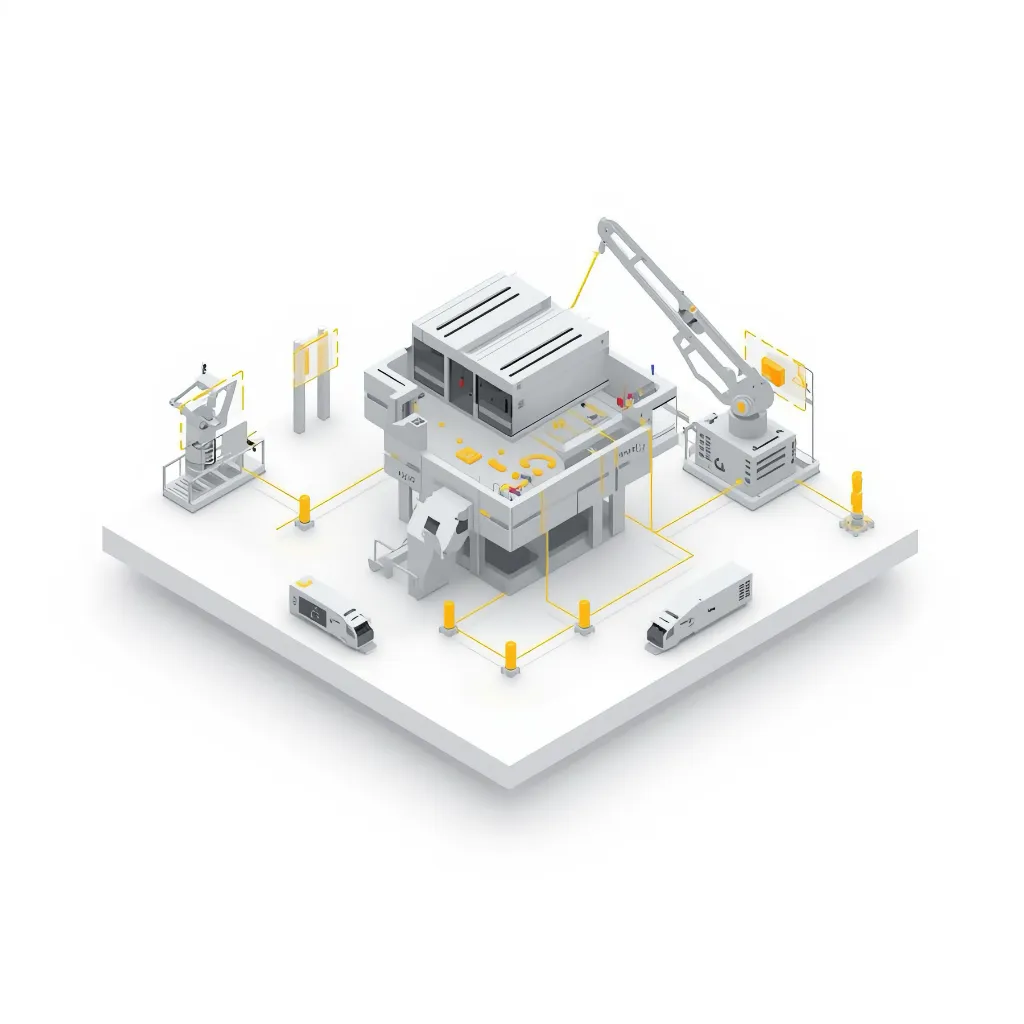
Automation fails when real-world complexity is ignored:
- workflows are automated before logic is clearly defined
- exceptions are ignored until they cause incidents
- approvals happen outside the system (email, chat)
- AI is introduced without guardrails or control
How RoboHen
Enables Reliable Execution
RoboHen powers the workflows designed during our services.
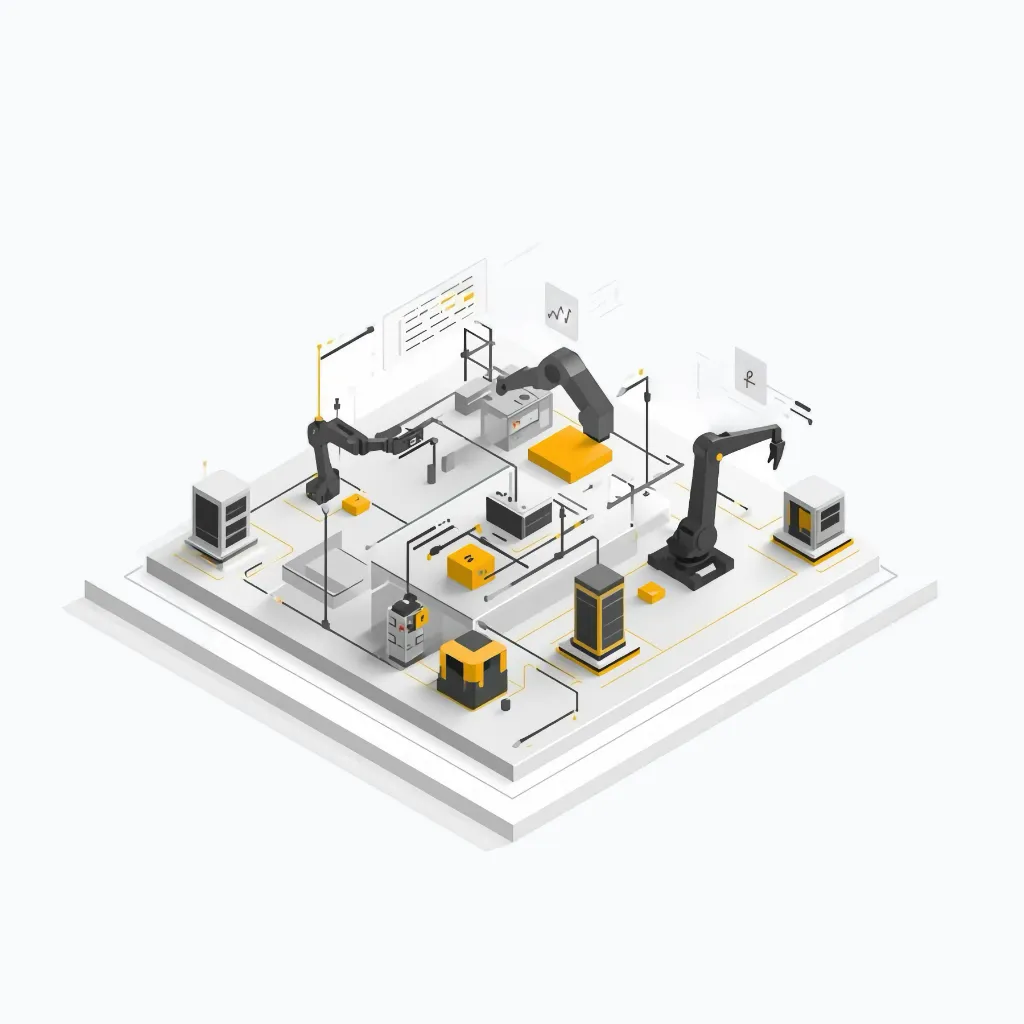
RoboHen introduces a reliability layer across your workflows:
- logic-first workflow definitions
- human-in-the-loop approvals where needed
- audit logging and full traceability
- an execution model designed for predictable outcomes
Continue Exploring
Start With One Workflow
That Needs to Be Reliable
In a short call, we'll identify where your workflow
breaks and whether improving
reliability will create measurable impact.
What we focus on
- logic-first workflow design
- controlled exception handling
- visibility and traceability
- predictable execution
Ready to start?
Identify where your workflow breaks and how to fix it.