The Platform Behind Reliable, Scalable Business Workflows
RoboHen provides the underlying platform that enables reliable workflow transformation across finance, operations, HR, and reporting. It brings business logic, AI assistance, human oversight, and execution together in a single system designed for scale, auditability, and long-term maintainability.
One platform, shared across business and engineering
RoboHen is a workflow orchestration platform designed to eliminate the gap between how work is described and how it is executed.
Business users define workflows in plain language. The platform turns those workflows into real automation logic that runs reliably in production.
This creates a single source of truth shared across:
- operations teams
- finance and compliance
- engineering
- AI agents
- leadership
The result is workflows that are understandable, auditable, and executable without divergence.
Workflow logic written the way humans think
RoboHen uses a logic-first, text-first approach to workflow design.
Instead of forcing users to choose rigid node types or connectors, workflows are defined using two core concepts:
Steps
Steps describe what should happen.
They are written in free-form text and capture intent, logic, and sequencing.
Actors
Actors describe who or what performs a Step.
Actors may represent:
- a person
- an AI agent
- a software tool or system
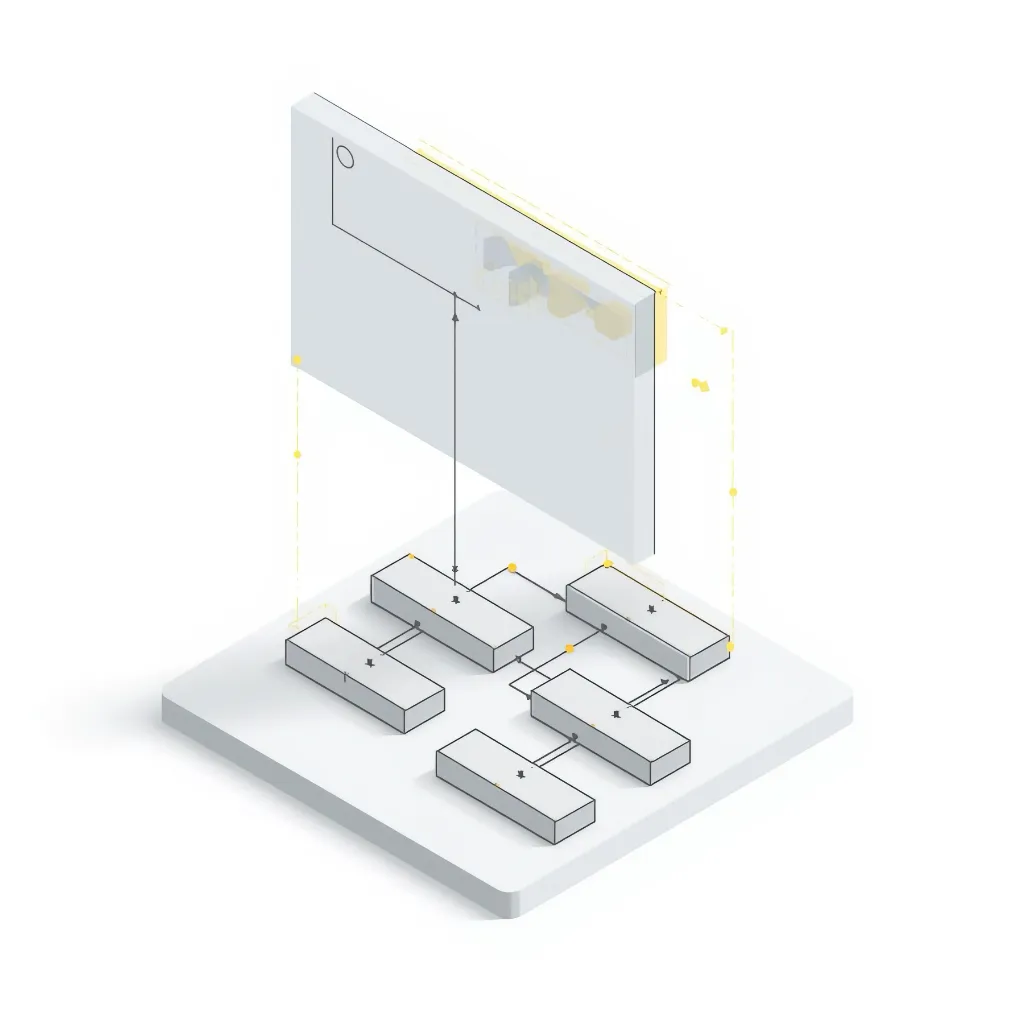
Steps and Actors together form a complete, human-readable workflow that is precise enough to execute. This approach ensures documentation and implementation never drift apart.
Your workflow becomes real automation
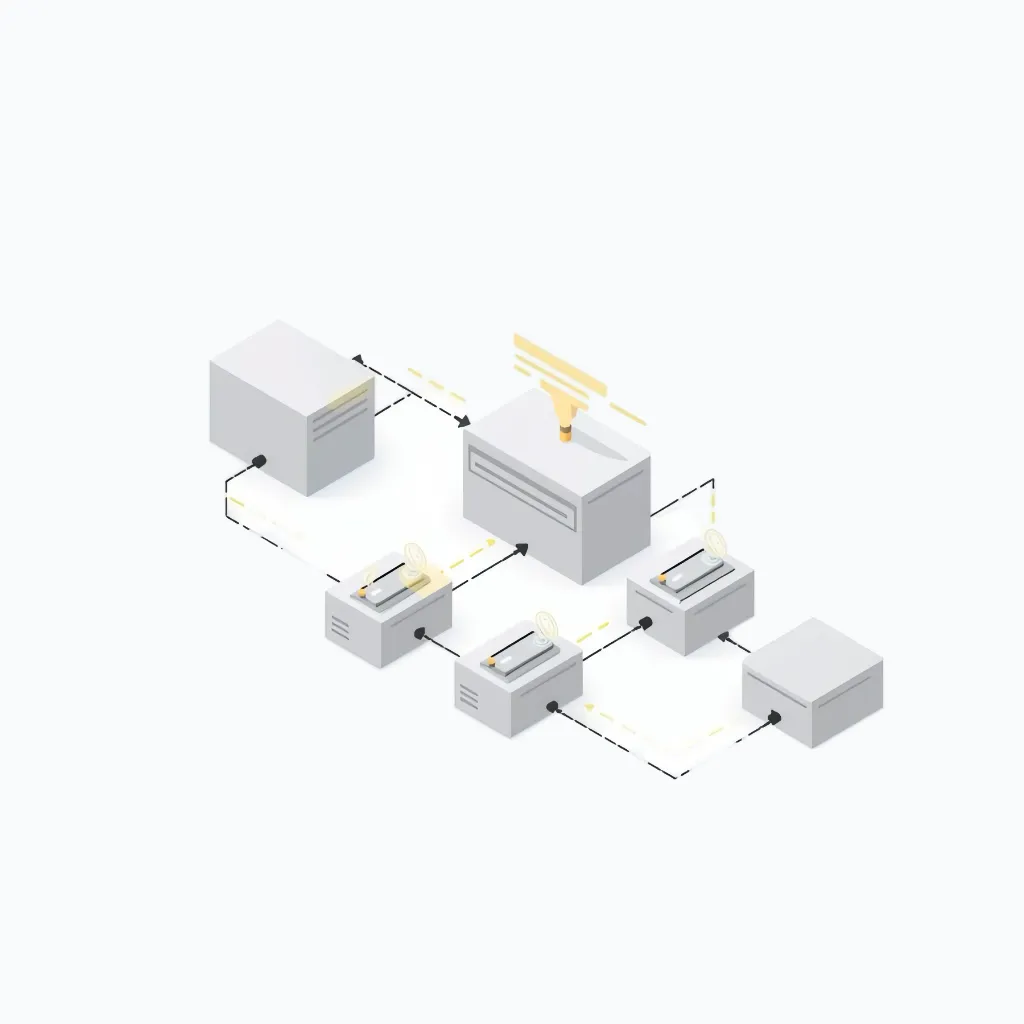
Once Steps and Actors are defined, RoboHen converts the workflow into executable automation.
The platform generates real Typescript modules that implement the logic defined in the workflow. Developers can refine or extend the generated code without changing the workflow itself.
The workflow diagram remains the governing contract.
What this enables
- no-code clarity with full-code control
- shared understanding between business and engineering
- safe AI integration without unpredictable behavior
- long-term maintainability without rewrites
Control where it matters most
Many business workflows require human judgment.
RoboHen supports human oversight as a first-class concept through Person Steps embedded directly in the workflow.
Common use cases include:
- approvals
- reviews
- exception handling
- escalations
- compliance checkpoints
Every human action is logged and traceable. This ensures workflows remain reliable even in high-stakes scenarios.
Platform Architecture
Designed for reliability and scale
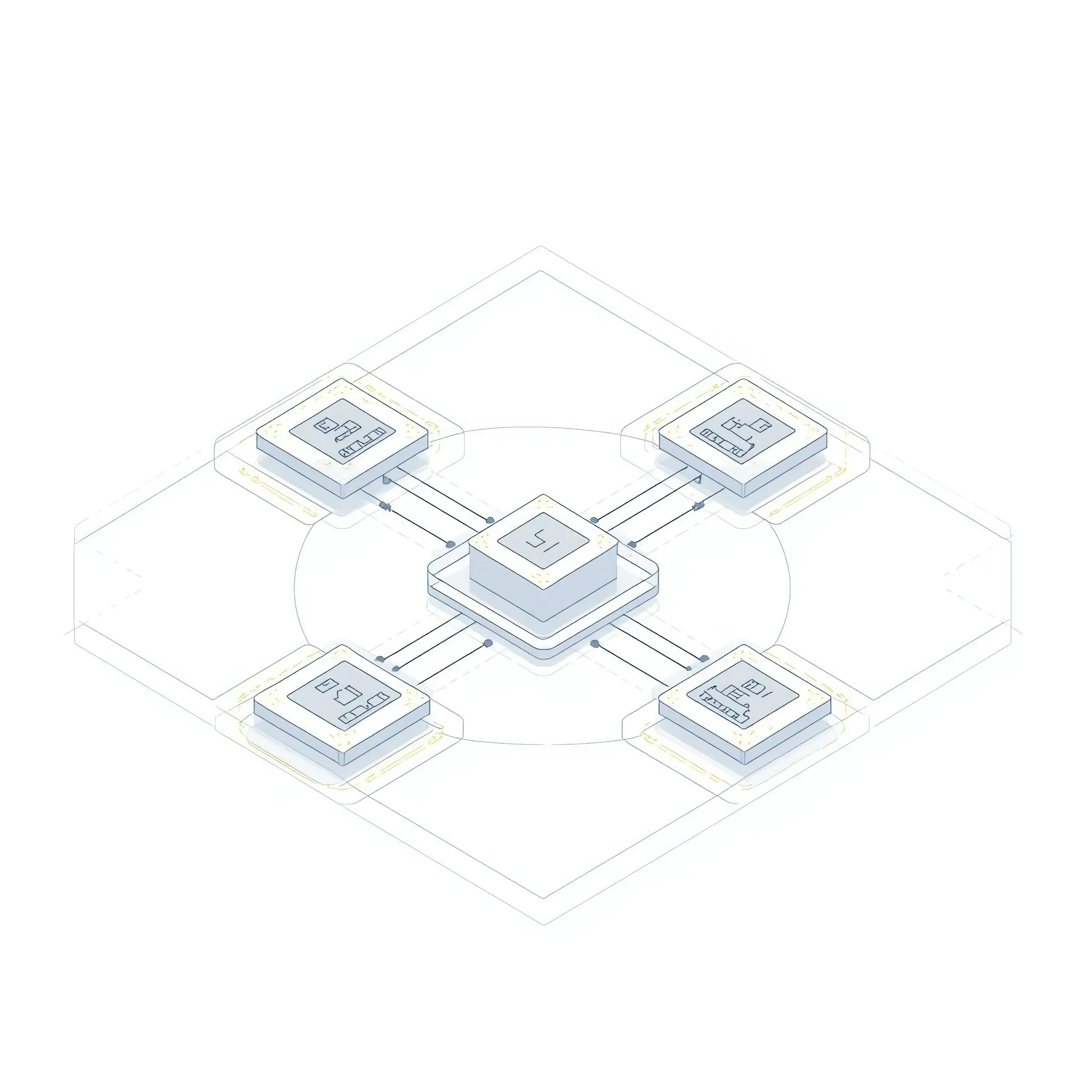
RoboHen is built as a layered system that supports collaboration, definition, execution, and oversight.
1. Collaboration Layer
Teams collaborate on workflows using Team Chat and Workspaces.
Workspaces support separation between:
- • development
- • testing
- • production
This allows workflows to evolve safely without disrupting operations.
2. Definition Layer
Workflows are defined using Steps and Actors written in plain language. This layer stays human-readable and serves as the permanent source of truth.
3. Script Generation Layer
The AI generation layer converts workflows into:
- • Typescript modules
- • Actor functions
- • integration logic
- • error handling
- • branching and retry logic
Generated code is readable, testable, and developer-friendly.
4. Execution Layer
Workflows execute on a high-performance Rust-based pipeline engine. Unlike finite state machine approaches commonly used in automation tools, RoboHen's execution model is designed for higher throughput and parallelism.
This allows workflows to:
- • execute independent Steps concurrently
- • fan out and fan in workloads
- • retry without blocking global state
- • scale across workers
- • handle large volumes predictably
Rust provides memory safety, performance, and concurrency guarantees suitable for enterprise environments.
Architectural Features
- Deterministic execution
- Exception and retry handling
- Sandboxed AI interactions
- Branching and loops
- Manual overrides
- Observability
- Audit logging
- Cloud, self-hosted, or hybrid
Core Platform Features
Built for enterprise-grade workflow automation
Logic-First Builder
Define workflows using human language, not technical nodes.
AI-Generated Code
Turn intent into production-ready Typescript.
Multi-Agent Orchestration
Chain AI Agent Actors inside deterministic logic.
Human Approvals
Guarantee oversight with Person Steps.
Tool Integrations
Connect ERPs, CRMs, HRIS, databases, and custom APIs.
Rust Pipeline Engine
Massively scalable execution. Concurrency built in.
Observability
Track executions, data flow, errors, and audit events.
Open Source Foundation
Transparent, customizable, secure.
How RoboHen Compares
Designed for complexity and scale
| RoboHen | Traditional RPA | Zapier / Make / n8n | Standalone AI Tools |
|---|---|---|---|
|
|
|
|
Deployment Options
Deploy where your business requires
Cloud
Cloud deployment for fast onboarding
Self-Hosted
Self-hosted deployment for regulated environments
Hybrid
Hybrid models for mixed infrastructure
The same workflow definitions run across all deployment models.
Open Source Foundation
Transparency and flexibility by design
RoboHen is built on an open source foundation.
This provides:
- inspectable execution logic
- extensible Actors and integrations
- no vendor lock-in
- generated code that belongs to you
- long-term flexibility as your workflows evolve
How the Platform is Used
Supporting real-world workflow transformation
RoboHen underpins workflows such as:
- finance and accounting automation
- operational process standardization
- HR onboarding and offboarding
- reporting and analytics delivery
- compliance workflows
- portfolio-wide automation for PE firms
The platform enables the solutions and services delivered across the rest of the site.